About Me

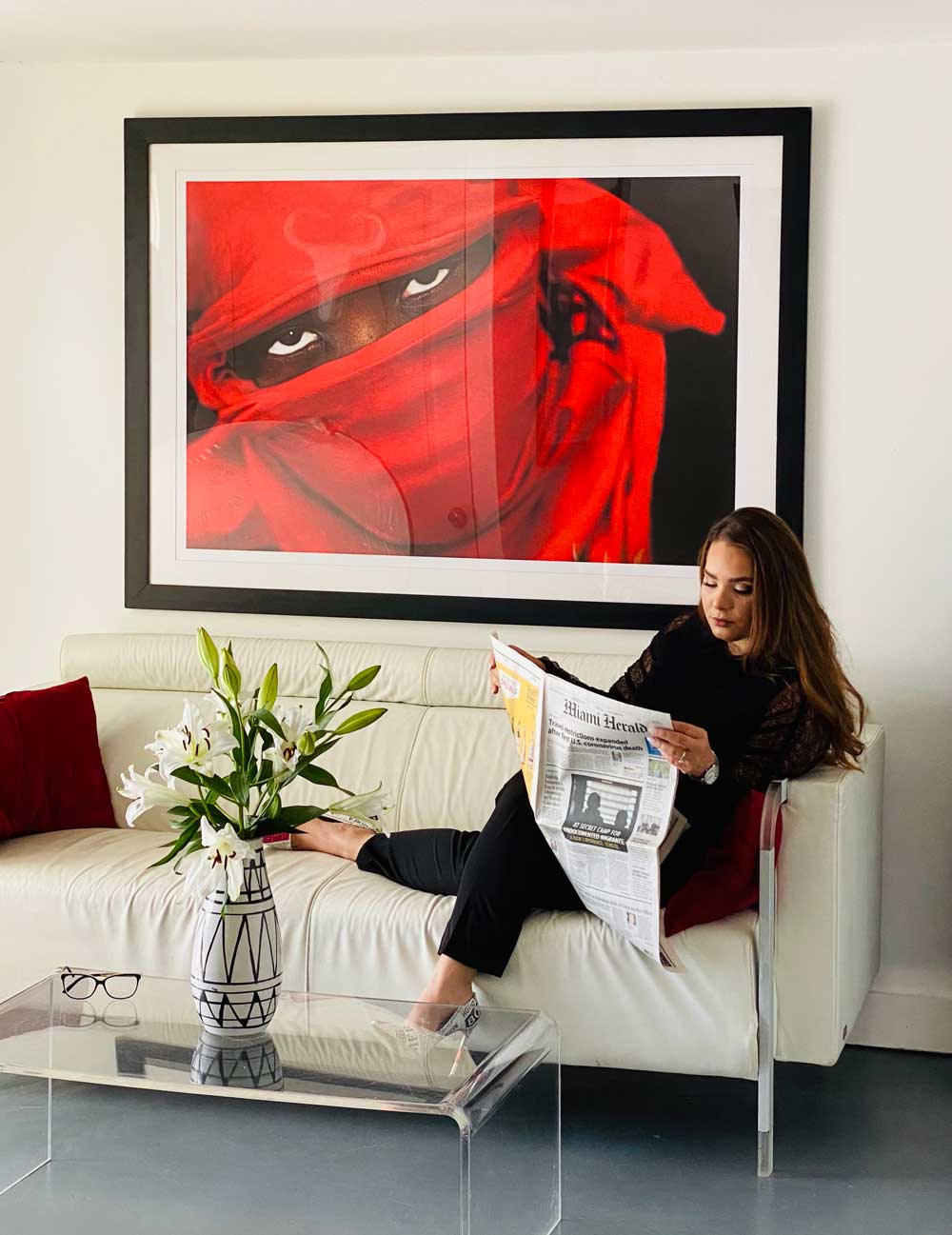
Monique O. Madan is an award-winning investigative journalist, advisor, and educator, a mother of two, and the founder of Two Can Be True, an independent newsletter featuring original reporting, essays, and analysis shaped by nearly two decades in newsrooms.
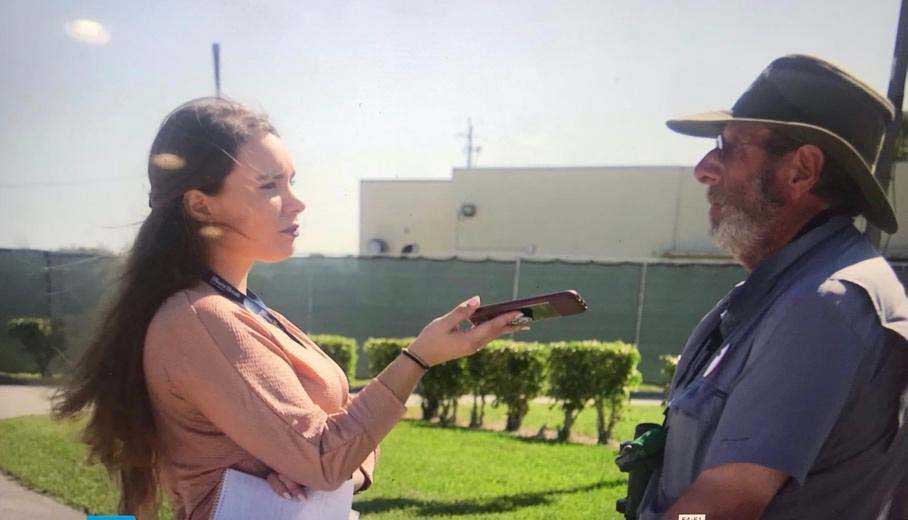
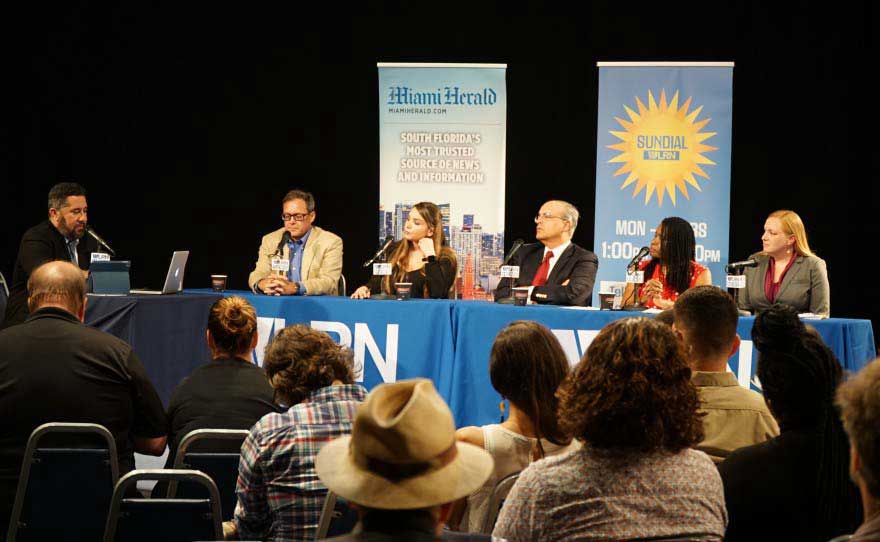
For nearly two decades, Monique has covered some of the country’s most consequential stories while also working with organizations, journalists, and leaders on communications strategy, storytelling, and special projects. Her work today spans investigative reporting, writing, editing, coaching, consulting, workshops, and crisis communications, with a focus on helping people navigate high-stakes moments with clarity, accuracy, and credibility, and helping businesses, writers, and organizations discover and sharpen their storytelling superpowers.
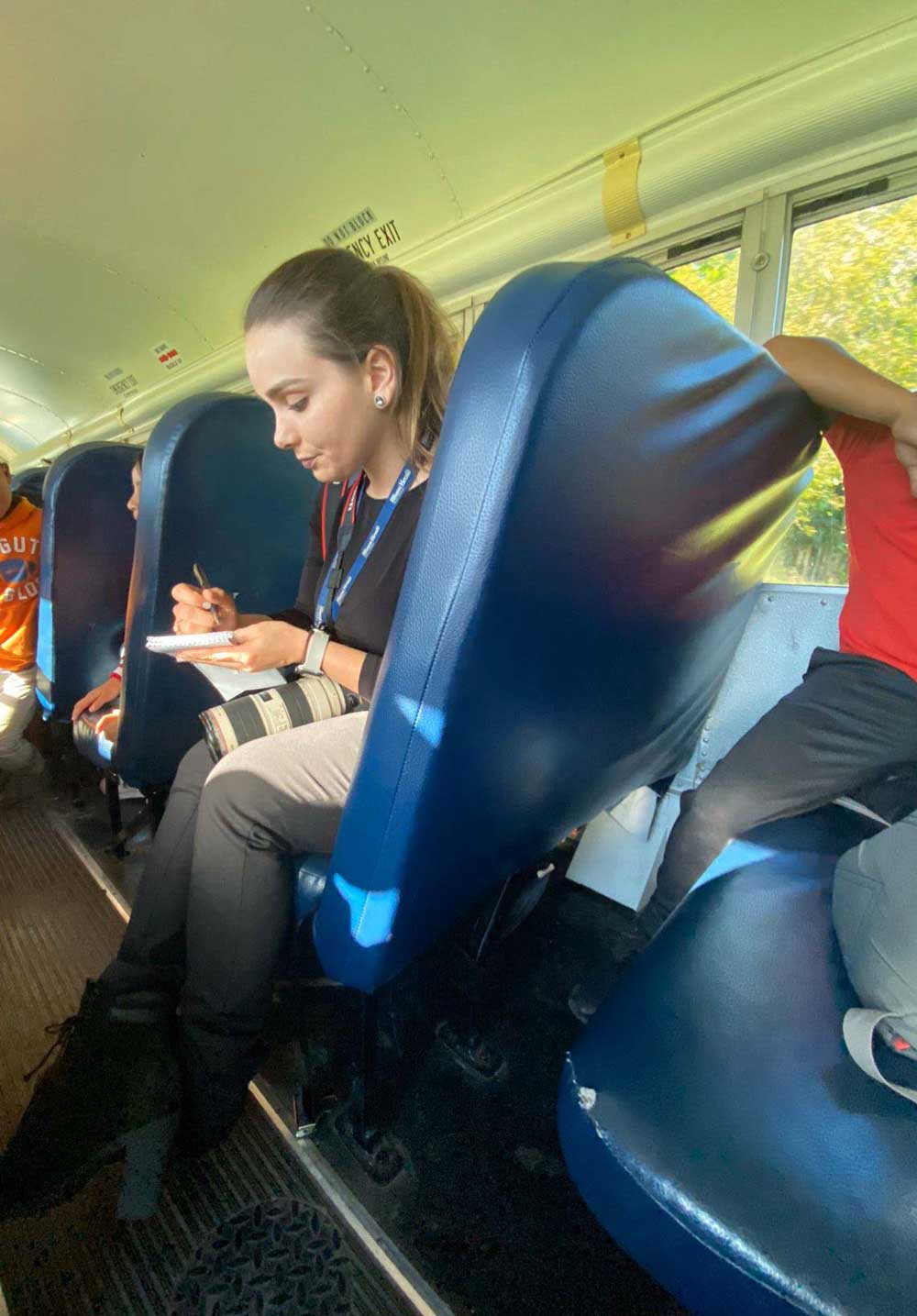
Monique has reported for the Miami Herald, USA TODAY, el Nuevo Herald, and The Markup, and her work has appeared in The Guardian, The New York Times, The Boston Globe, The Dallas Morning News, and other national outlets. She is known for accountability reporting on immigration, government oversight, and public safety, with investigations that have exposed systemic failures, led to policy changes, and directly impacted people’s lives.
Monique is a 2025 fellow in the Online News Association’s Women’s Leadership Accelerator, a selective national fellowship for women leaders in journalism, and a 2026 Creator Fellow with Project C, an initiative that supports independent journalists building sustainable, audience-driven work outside traditional newsrooms.
Her investigations have led to the release of people from immigration detention, exposed failures in public safety and infrastructure, and prompted policy changes at the local and federal level. Her reporting on conditions inside ICE detention centers during the COVID-19 pandemic was recognized nationally, and as a Reveal Fellow at the Center for Investigative Reporting, she uncovered how former White House Chief of Staff John Kelly profited from companies involved in the detention of migrant children. Earlier in her career, she broke the story of Trayvon Martin’s death and led coverage of the Florida International University bridge collapse, work widely recognized for its depth and impact.